
Easy Pool Maintenance Guide: The 3 C’s – Circulation, Cleaning & Chemistry
Keeping your swimming pool clean, safe, and ready to enjoy doesn’t have to be complicated. With just a few essential maintenance steps, you can ensure your pool stays crystal clear and inviting all year round. At Pronto Pools, we recommend following the 3 C’s of pool care: Circulation, Cleaning, and Chemistry.
Circulation – Keep the Water Moving
Good water circulation is the foundation of a healthy pool. Stagnant water leads to algae, cloudy water, and unbalanced chemicals.
-
Run your pool pump for 4 to 5 hours a day
-
Clean or backwash your filter if pressure rises above 7–15 psi
-
Empty the skimmer and pump baskets regularly
-
Aim pool jets downward and in a circular direction to improve flow
Cleaning – Clear Out the Debris
Physical cleaning is just as important as running the filter. Regular cleaning helps prevent buildup in low-circulation areas.
-
Brush pool walls, ladders, and steps at least a few times a week
-
Skim the surface daily to remove leaves and debris
-
Use a manual or automatic vacuum weekly to clean the pool floor
Chemistry – Balance the Water
Balanced water chemistry keeps your pool safe and comfortable to swim in. Poor chemical balance can damage your pool and affect swimmer health.
-
Test water 1–2 times per week with a reliable test kit
-
Adjust pH and alkalinity levels as needed
-
Maintain proper chlorine or sanitizer levels
-
Shock the pool every two weeks or after heavy usage
Pro Tip: The best way to enjoy a sparkling pool is to stay consistent with these simple tasks. Circulation keeps the water moving, cleaning removes debris and buildup, and balanced chemistry protects both your pool and your swimmers.
Need help with pool maintenance or supplies? Contact Pronto Pools for expert advice, equipment, and service.
Circulation
Why Circulation Is the First Step in Pool Maintenance?
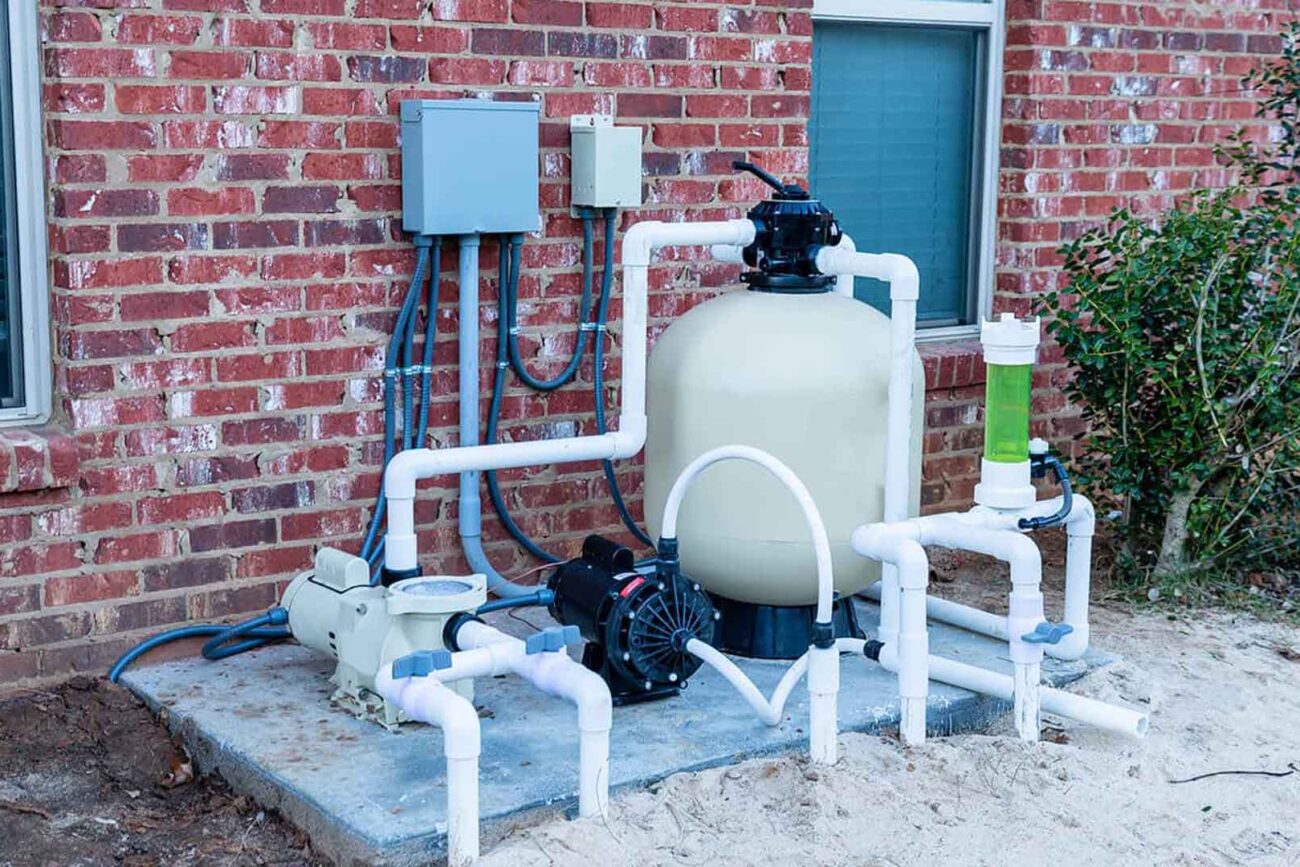
Proper circulation is the foundation of a clean, healthy swimming pool. If your pump isn’t running efficiently or your filter isn’t doing its job, water becomes stagnant—creating the perfect environment for algae and bacteria to thrive.
Your pool’s circulation system includes four main components: the skimmer, pump, filter, and return jets. Each part plays a critical role, and when one isn’t working properly, water quality quickly declines.
Here’s a quick look at how your pool’s circulation system works:
-
The skimmer draws in surface water, collecting leaves, debris, and other floating particles.
-
The pump pulls water from the skimmer and sends it through the system.
-
The filter removes dirt, contaminants, and fine particles from the water.
-
Return jets push the clean, filtered water back into the pool.
Think of the pool pump as the heart of your pool, circulating water through the system much like a heart pumps blood through the body. When everything works together, your pool stays clear, clean, and safe to swim in.
Run the Pool Pump
Duration: 4–5 hours per day
The more your pump runs, the better your water stays filtered and clear. Ideally, run it for at least 4–5 hours a day, especially during warmer months. Investing in a variable speed pump can save energy, reduce noise, and allow continuous circulation at lower speeds throughout the day.
Clean or Backwash the Filter
When: When pressure gauge is 7–15 psi above the clean reading
A dirty filter restricts water flow. For sand or D.E. filters, perform a backwash when pressure rises. For cartridge filters, remove and clean the cartridge. This ensures your system operates efficiently and extends the life of your equipment.
Clean the Skimmer & Pump Baskets
Frequency: 1–2 times per week
Leaves, bugs, and debris can clog the baskets, forcing your pump to work harder. Clean them regularly to reduce strain and avoid equipment damage. Don’t forget to check for small animals that may occasionally get trapped.
Adjust the Return Jets
Position your return jets away from the skimmer and slightly downward. This helps create a circular flow pattern, pulling debris toward the skimmer and improving circulation at the pool floor and in hard-to-reach spots like corners, steps, and ladders.
For expert guidance on pool circulation and equipment, Pronto Pools is here to help!
Cleaning
Cleaning Your Pool: A Simple Routine for Sparkling Water
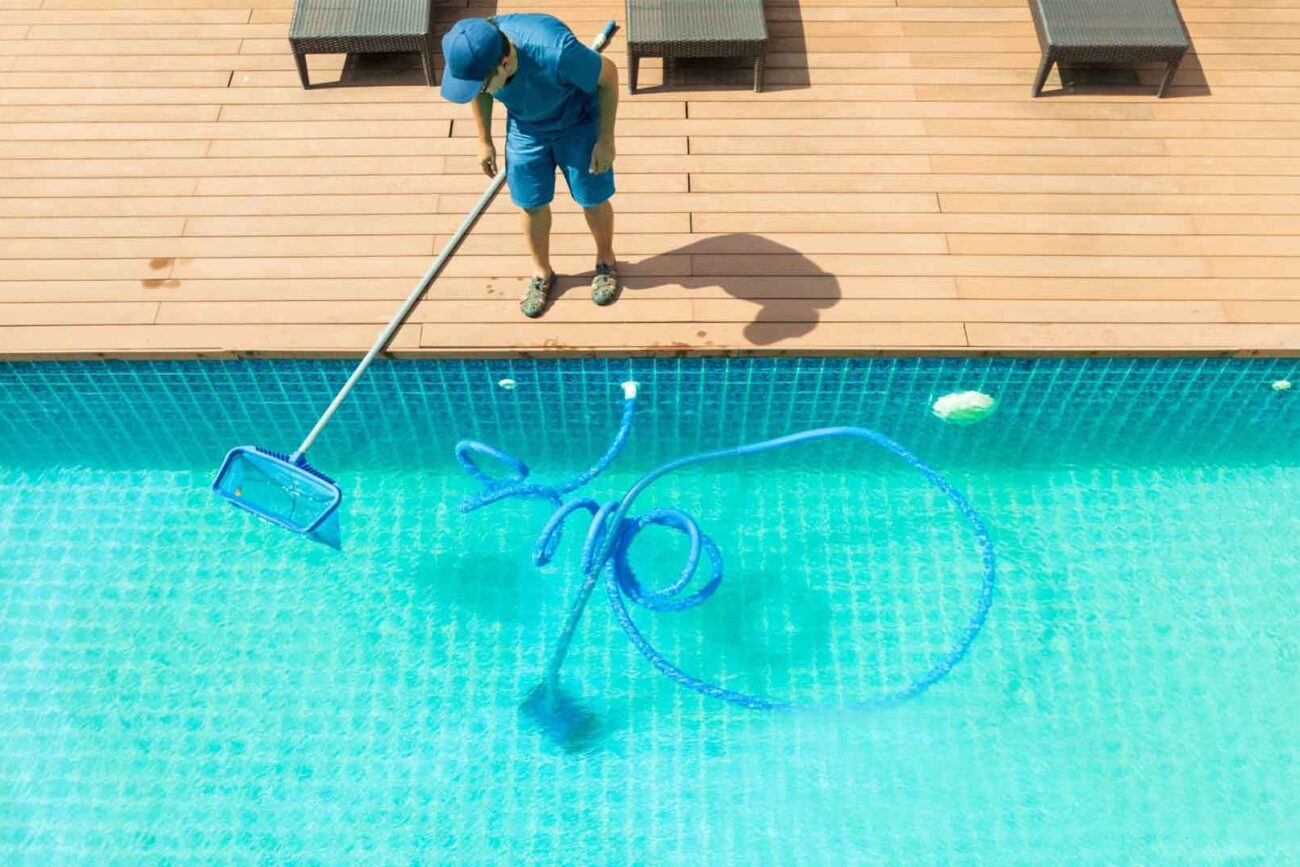
Keeping your pool clean is essential for both its appearance and hygiene. A regular cleaning schedule helps prevent algae growth, improves water circulation, and ensures a pleasant swimming experience.
Recommended Frequency:
-
Vacuum your pool once a week
-
Brush and skim the surface daily
Whether you’re handling it manually or using a robotic pool cleaner, cleaning involves three main tasks:
1. Brushing
Use a pool brush to scrub the pool walls, floor, steps, and corners—especially areas with low water movement. This helps prevent algae buildup, staining, and calcium deposits.
2. Skimming
Remove floating leaves, insects, and other debris from the surface using a deep net or leaf rake. Regular skimming keeps your water clear and reduces the chance of debris sinking and causing stains.
3. Vacuuming
Vacuuming removes dirt and debris from the bottom of the pool, improving water flow and cleanliness. You can use a manual vacuum system (vacuum head, hose, and pole connected to your skimmer) or opt for an automatic cleaner to make the job easier.
Consistent cleaning ensures your pool stays clear, inviting, and ready for use. Need help choosing the right cleaning tools? Pronto Pools can guide you every step of the way.
Chemistry
Pool Water Chemistry: The Key to Clean, Safe Swimming
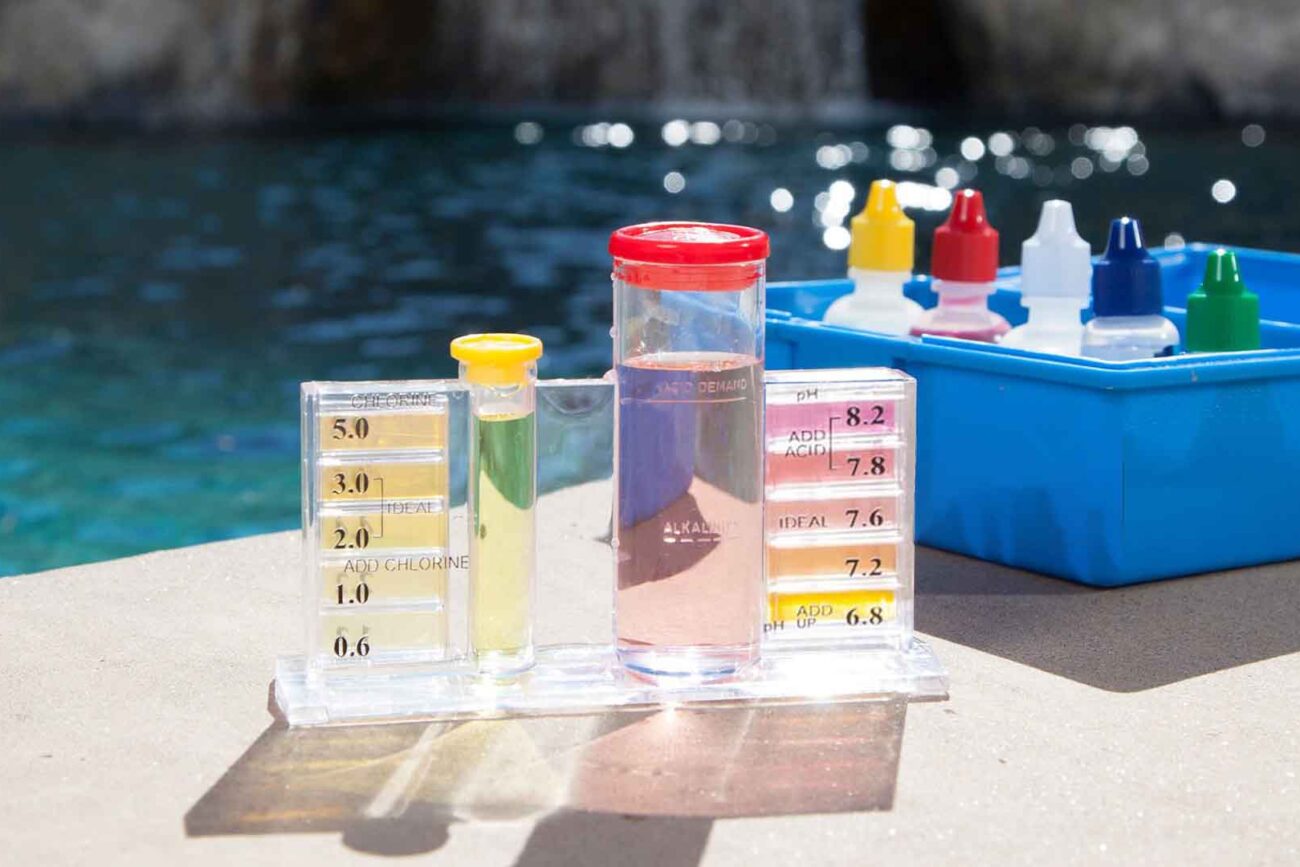
Keeping your pool water balanced is essential for a healthy and enjoyable swimming experience. Proper chemistry not only prevents cloudy or green water but also protects your equipment and surfaces from damage.
Recommended Frequency:
-
Test your water 1–2 times per week
-
Shock the pool every 1–2 weeks
Testing & Balancing Your Pool Water
Using a reliable pool test kit or test strips, monitor your water regularly to maintain the ideal chemical balance. Here’s what you should look out for:
-
pH (Ideal: 7.2–7.6): A balanced pH protects pool equipment and helps chlorine work effectively. Low pH causes corrosion, while high pH reduces sanitizer efficiency.
-
Alkalinity (Ideal: 100–150 ppm): Acts as a buffer for pH levels. Too low, and your pH fluctuates; too high, and the water turns cloudy.
-
Calcium Hardness (Ideal: 200–400 ppm): Low levels can damage pool surfaces, while high levels may lead to scale buildup.
-
Chlorine (Ideal: 1–3 ppm): Your primary sanitizer. Available in tablets, sticks, or granules, chlorine kills bacteria and keeps your water safe.
-
Phosphates: High phosphate levels can encourage algae growth. If your water turns green and cloudy, phosphate might be the culprit.
Maintaining these levels helps keep your pool crystal clear and swimmer-safe.
Need help choosing the right chemicals or testing kits? Pronto Pools is here to assist with everything you need to keep your water balanced and beautiful.
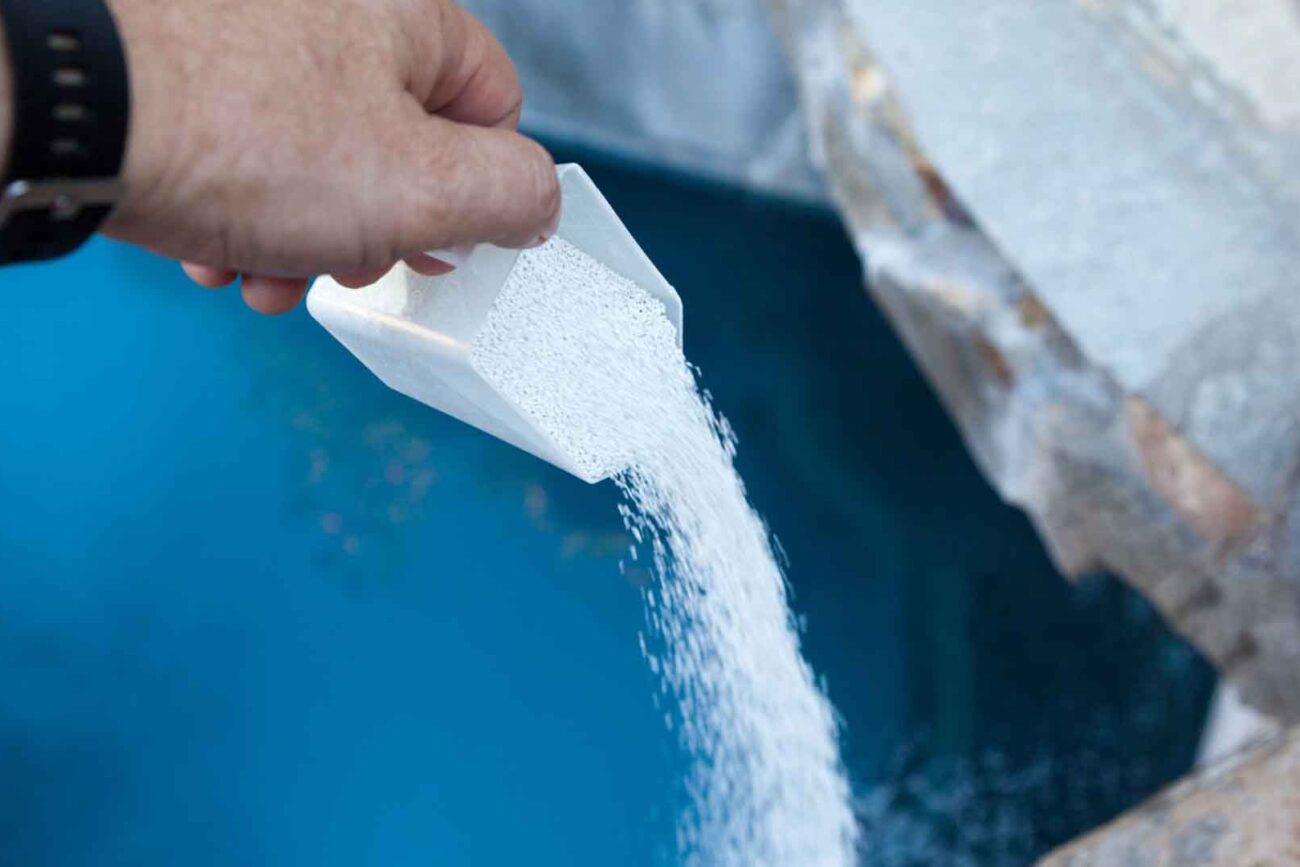
Shocking Your Pool
Shocking is the process of adding a high dose of sanitizer to eliminate contaminants, algae, and bacteria. It’s especially important:
-
After heavy pool use
-
Following rainstorms
-
When water turns cloudy or green
-
After accidental contamination
Make it a habit to shock your pool every 1 to 2 weeks, or more frequently in hot weather or during peak usage.
For more information on how to shock a pool in 6 easy steps? Pronto Pools is here to assist with everything you need to keep your water balanced and beautiful.